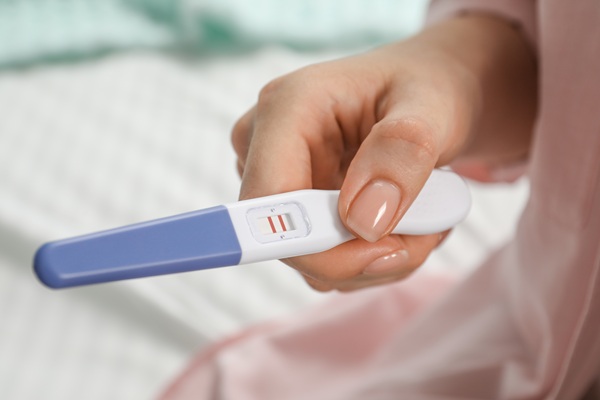
Pregnancy testing can be a fraught time filled with excitement or anxiety. If you think that you might be pregnant, you should take a pregnancy test (ideally, more than one) to determine whether you are pregnant so you can begin planning and medical care as soon as possible. However, the type of test used and its timing can determine whether you receive a false positive, false negative, or true positive. Here is what every person should know about timing a pregnancy test to ensure maximum accuracy.
Understanding pregnancy testing timing
Pregnancy test timing matters. This goes not only for the time of day when the test is done but also for how soon after menstruation it is taken and within the context of the cycle. Things to keep in mind include the following.
Are all pregnancy tests the same?
In short, no, pregnancy tests can differ. There are two primary types of testing: urine tests and blood tests. A urine test requires the person to hold the testing strip underneath their urine flow so it can collect information about the proteins and other constituent parts of the urine. In pregnant people, the urine will contain human chorionic gonadotropin (hCG), which is only released once an egg has successfully implanted.
Conversely, a blood test requires drawing blood (usually from the arm), which will also be tested for hCG. That said, a blood test can be more specific in whether a patient has hCG present (a simple yes/no answer) and how much, thereby indicating how far along the pregnancy may be.
When to take a blood test
Blood tests are typically more sensitive to hCG concentration, which means they can be taken slightly earlier than urine tests. Practitioners can do blood tests as early as 11 days after ovulation, which could be before a missed period even occurs. Some blood tests have come up positive as early as seven days past ovulation.
When to take a urine test
Urine tests are more widely accessible and easier to take, but they are not as sensitive as blood tests. Most patients will not see a true positive until around 10 days after conception. Testing before this time could lead to a false negative, so be sure to test multiple times over multiple days. A faint positive line is still positive.
Why time of day matters for pregnancy testing
Most people take pregnancy tests a day or two after their first missed period, as this is when they may notice that something is unusual. However, the time of day matters when testing just as much as the time of month. The hCG concentration in urine is highest in the morning, which means the first urine after sleep is the ideal time to test.
Test regularly to start prenatal care on time
Good prenatal care starts as soon as possible, so it is advantageous to have the results of a pregnancy test as early as you can. Both blood and urine tests can provide reliable results, but be sure to use them correctly! If you are unsure or if you have questions about pregnancy, testing, and your options, contact our office to schedule an appointment.
Request an appointment here: https://hillendale.millenniummedicalcare.com or call Millennium Medical Care Woodbridge at (703) 945-1942 for an appointment in our Woodbridge office.
Check out what others are saying about our services on Yelp: Read our Yelp reviews.
Recent Posts
You have almost certainly had the common cold before, like just about everyone else. This illness can be tiring and annoying, but it often does not require much medical attention. A cold will frequently have minor or moderate symptoms and go away on its own. However, sometimes the sickness can progress and cause other problems.…
Getting the common cold is hardly an unusual occurrence. This sickness afflicts people of all ages perhaps more than any other health condition. Some people only get minor symptoms that go away within a few days. But other people can suffer significantly with a variety of ailments. It is helpful to understand what causes colds.…
Consistency in medical care is essential for maintaining your overall health and well-being. Medical care from a reliable medical provider ensures that any existing health issues are diagnosed and treated, allowing patients to feel supported throughout their health journey. Establishing a trustworthy relationship with your healthcare providers can positively impact your health.Consistency in medical care…
A common cold infection often produces thick phlegm. This discharge is sticky and thick. The increase in phlegm production often results in more coughing and difficulty of breathing. Some say that consuming dairy products can increase phlegm production. If you want to know if dairy does increase phlegm production during a common cold infection, here…