Pregnancy Testing: Frequently Asked Questions
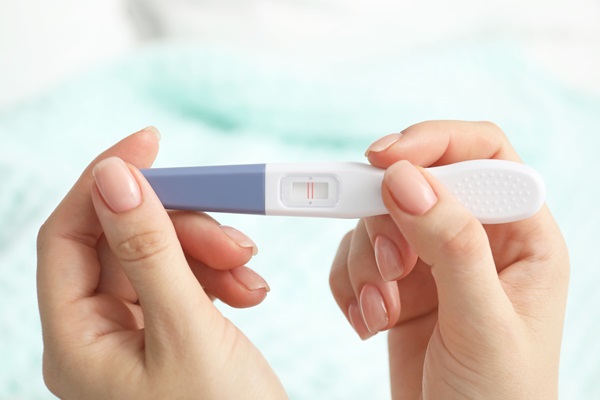
Pregnancy testing gives patients certainty about whether they are expecting. If unsure, an urgent care or primary care provider can administer these tests with a smaller margin of error than over-the-counter pregnancy tests. Although the process is straightforward, it is normal to have questions heading into the appointment. Exploring the answers to some of the most frequently asked questions about pregnancy testing can help you feel more prepared.
How do urine pregnancy tests work?
Urine tests are the most common type of pregnancy testing due to convenience. As the name suggests, it involves urinating on a stick or dipping a stick into a sample of urine. The stick will test for levels of a pregnancy hormone called human chorionic gonadotrophin (hCG).
Patients can perform a urine pregnancy test at home or visit an urgent care or primary care clinic to have one administered. There is little room for error with either, but many prefer the peace of mind that comes with having a trained healthcare provider perform the test.
What are my other options for pregnancy testing?
Blood pregnancy testing is another option, but one that can only be performed by a healthcare provider. The provider will draw a blood sample from the arm and then test it for levels of hCG. This method is recommended for patients receiving fertility treatments who need test results as early as possible.
The least common option for pregnancy testing is an ultrasound. A urine or blood test will usually deliver a clear enough result. However, some cases — such as a very late period that continues to deliver a negative test result — require the healthcare provider to determine whether there is an embryo, fetus, or a condition like a fibroid or a cyst delaying one’s period.
When should you take a pregnancy test?
The general recommendation is to take a pregnancy test on the first day of one’s missed period. However, urine tests may yield a positive result ten days after conception, while blood tests can provide one as early as seven days after conception. Medical News Today states that the average period occurs about 14 to 16 days after ovulation, the only phase of one’s cycle when a baby can be conceived.
What if you have pregnancy symptoms but test negative?
It is possible to have pregnancy symptoms and have a urine pregnancy test return negative. This can mean one of three things:
- The test was inaccurate due to human error, testing too early, or being overhydrated.
- A fibroid or cyst is causing a delayed period.
- The symptoms of a late period are mimicking pregnancy.
A late period shares some of the symptoms of pregnancy, such as sore breasts, mood changes, and fatigue. For clarity, try testing again in a few days or visit an urgent care or primary care clinic for a blood test or ultrasound.
Visit a healthcare provider for accurate pregnancy testing
When testing at home delivers mixed results, visit Millennium Medical Care Woodbridge for accurate pregnancy testing in Woodbridge. We can help you choose a test and administer it, helping you feel comfortable and confident regardless of whether you are planning for a baby. Contact our team today at (703) 945-1942 to learn more.
Request an appointment here: https://hillendale.millenniummedicalcare.com or call Millennium Medical Care Woodbridge at (703) 945-1942 for an appointment in our Woodbridge office.
Check out what others are saying about our services on Yelp: Pregnancy Testing in Woodbridge, VA.
Recent Posts
If you are in the process of migrating to the United States to become a permanent resident, you will need to undergo an immigration medical exam. The appointment, also known as a green card medical exam, is a required component of the procedure to protect public safety and eliminate reasons for inadmissibility for prospective immigrants.Certain…
Many middle and high school sports and programs require that students get school physicals. The school may ask for a recent school physical to qualify the student for the program. Getting an appointment with the student’s primary care physician in a timely fashion can be difficult. Urgent care facilities offer faster access to a school…
Women's health services include a wide range of diseases and injuries since they address the prevention, diagnosis, and treatment of women throughout their lives. Regardless of the purpose of the visit to the primary care center, it is normal to have women's health exam questions before consulting with a specialist. The primary care provider will…
Getting a flu shot yearly protects you against different strains of the type A and B viruses that cause influenza. The flu is a viral respiratory infection that can lead to hospitalization and sometimes, death. Flu season varies all over the world. In the U.S., it starts in September and ends in April.For most people,…