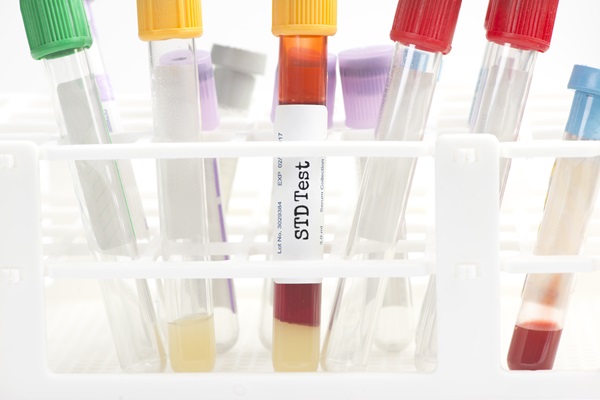
Anyone can get a sexually transmitted disease (STD). Whether single or in a long-term relationship, routine STD testing is recommended. That said, it can be nerve-wracking to go in for the first time — or for the first time in a while. Learning about the different methods an urgent care or primary care doctor may use can help make for a more comfortable appointment.
Understanding STDs
There are many methods for STD for the large variety of STDs. Doctors can provide routine tests for common diseases, such as:
- Syphilis
- Chlamydia
- Hepatitis B
- Hepatitis C
- Gonorrhea
- Genital herpes
- Trichomoniasis
- Human papillomavirus (HPV)
- Human immunodeficiency virus (HIV)
Patients can request most types of STD testing regardless of whether or not they have symptoms. In fact, it is common to have an STD without any symptoms and then unknowingly pass it on to a sexual partner, who may then develop symptoms. Chlamydia and HPV are two common examples.
When should you get tested?
Sexually active people should get tested for STDs every year. The Centers for Disease Control and Prevention (CDC) has specific guidelines for people who are at a higher risk of contracting symptomatic STDs or complications from them. Pregnant people, for instance, are recommended to get screened early on in their pregnancy to prevent passing anything on to their child. Sexually active adolescents, women, gay men, bisexual men, or other men who have sex with men should also get tested routinely.
Common methods for STD testing
The first step in STD testing will be to screen the patient to determine their risk. The provider will ask questions about their sexual life, such as whether the partners involved used protection, and past sexual partners, such as if any have been diagnosed with an STD. They will also ask about how many partners the person has had. If the patient has symptoms, the doctor will take them into account.
Depending on the patient’s answers, the medical provider may recommend they test for one or more types of diseases. This will likely involve using the following STD testing methods:
Urine tests
Urine samples can reveal bacterial STDs like chlamydia, gonorrhea, and trichomoniasis. For this method, the patient will be given a sterile plastic cup to urinate in. It is perhaps the easiest method for testing.
Swab tests
Swab STD tests come in many forms and can reveal herpes, HPV, chlamydia, or gonorrhea. It may involve taking a collection of cells (or swabbing) from the mouth, throat, anus, urethra, or parts of one’s reproductive organs for testing. If the patient has a blister or sore that could be an STD symptom, the medical provider may swab it directly. This approach is typically painless, although swabbing certain areas (the cervix or the urethra) can cause momentary discomfort.
Blood tests
Blood samples are needed to test for syphilis and HIV. For this method of testing, the medical provider will either draw blood from the arm or merely prick the finger. As with any test, the provider will prioritize patient comfort.
Find clarity through STD testing
STDs remain heavily stigmatized in our culture, which can make getting tested for them anxiety-inducing. Some patients find it hard even to ask their partner to get tested. However, there should be no shame in any part of the process. At Millennium Medical Care Woodbridge, we work to make STD testing as painless as possible, delivering each test without judgment. To get started, call (703) 945-1942 today.
Request an appointment here: https://hillendale.millenniummedicalcare.com or call Millennium Medical Care Woodbridge at (703) 945-1942 for an appointment in our Woodbridge office.
Check out what others are saying about our services on Yelp: STD Testing in Woodbridge, VA.
Recent Posts
A person with a common cold can also have a sore throat and mild body pain. These symptoms can prevent you from doing your daily tasks. However, taking pain relievers can help relieve the discomfort. If you want to know more about the pain reliever you can take for your common cold, here are the…
You have almost certainly had the common cold before, like just about everyone else. This illness can be tiring and annoying, but it often does not require much medical attention. A cold will frequently have minor or moderate symptoms and go away on its own. However, sometimes the sickness can progress and cause other problems.…
Getting the common cold is hardly an unusual occurrence. This sickness afflicts people of all ages perhaps more than any other health condition. Some people only get minor symptoms that go away within a few days. But other people can suffer significantly with a variety of ailments. It is helpful to understand what causes colds.…
Consistency in medical care is essential for maintaining your overall health and well-being. Medical care from a reliable medical provider ensures that any existing health issues are diagnosed and treated, allowing patients to feel supported throughout their health journey. Establishing a trustworthy relationship with your healthcare providers can positively impact your health.Consistency in medical care…