Timing Your Pregnancy Testing for Maximum Accuracy
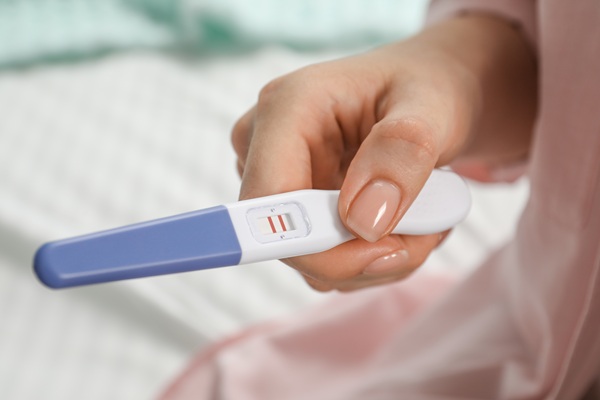
Pregnancy testing can be a fraught time filled with excitement or anxiety. If you think that you might be pregnant, you should take a pregnancy test (ideally, more than one) to determine whether you are pregnant so you can begin planning and medical care as soon as possible. However, the type of test used and its timing can determine whether you receive a false positive, false negative, or true positive. Here is what every person should know about timing a pregnancy test to ensure maximum accuracy.
Understanding pregnancy testing timing
Pregnancy test timing matters. This goes not only for the time of day when the test is done but also for how soon after menstruation it is taken and within the context of the cycle. Things to keep in mind include the following.
Are all pregnancy tests the same?
In short, no, pregnancy tests can differ. There are two primary types of testing: urine tests and blood tests. A urine test requires the person to hold the testing strip underneath their urine flow so it can collect information about the proteins and other constituent parts of the urine. In pregnant people, the urine will contain human chorionic gonadotropin (hCG), which is only released once an egg has successfully implanted.
Conversely, a blood test requires drawing blood (usually from the arm), which will also be tested for hCG. That said, a blood test can be more specific in whether a patient has hCG present (a simple yes/no answer) and how much, thereby indicating how far along the pregnancy may be.
When to take a blood test
Blood tests are typically more sensitive to hCG concentration, which means they can be taken slightly earlier than urine tests. Practitioners can do blood tests as early as 11 days after ovulation, which could be before a missed period even occurs. Some blood tests have come up positive as early as seven days past ovulation.
When to take a urine test
Urine tests are more widely accessible and easier to take, but they are not as sensitive as blood tests. Most patients will not see a true positive until around 10 days after conception. Testing before this time could lead to a false negative, so be sure to test multiple times over multiple days. A faint positive line is still positive.
Why time of day matters for pregnancy testing
Most people take pregnancy tests a day or two after their first missed period, as this is when they may notice that something is unusual. However, the time of day matters when testing just as much as the time of month. The hCG concentration in urine is highest in the morning, which means the first urine after sleep is the ideal time to test.
Test regularly to start prenatal care on time
Good prenatal care starts as soon as possible, so it is advantageous to have the results of a pregnancy test as early as you can. Both blood and urine tests can provide reliable results, but be sure to use them correctly! If you are unsure or if you have questions about pregnancy, testing, and your options, contact our office to schedule an appointment.
Request an appointment here: https://hillendale.millenniummedicalcare.com or call Millennium Medical Care Woodbridge at (703) 945-1942 for an appointment in our Woodbridge office.
Check out what others are saying about our services on Yelp: Read our Yelp reviews.
Recent Posts
Women's health services include a wide range of diseases and injuries since they address the prevention, diagnosis, and treatment of women throughout their lives. Regardless of the purpose of the visit to the primary care center, it is normal to have women's health exam questions before consulting with a specialist. The primary care provider will…
Getting a flu shot yearly protects you against different strains of the type A and B viruses that cause influenza. The flu is a viral respiratory infection that can lead to hospitalization and sometimes, death. Flu season varies all over the world. In the U.S., it starts in September and ends in April.For most people,…
HIV testing detects the presence of human immunodeficiency virus (HIV) in a person’s blood. HIV is a sexually transmitted infection. Proper testing can help detect this virus, which can lead to immediate treatment. Here are the details about stress-free HIV testing that you can get at your local primary care clinic.HIV attacks the human immune…
A health clinic provides a range of essential services that address a broad spectrum of healthcare needs, from urgent care to preventive primary care. With a focus on comprehensive health services, clinics support long-term wellness, disease prevention, and effective treatment for various health conditions. Here are five key services available at a health clinic that…